Place
North Pole continent
Earth's northernmost landmass, surrounded by the Northern Sea
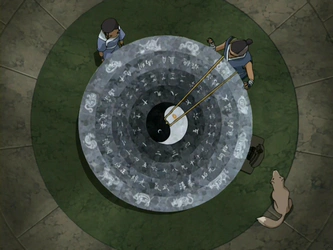
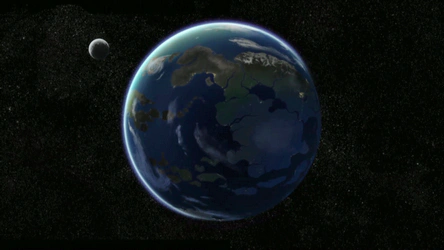
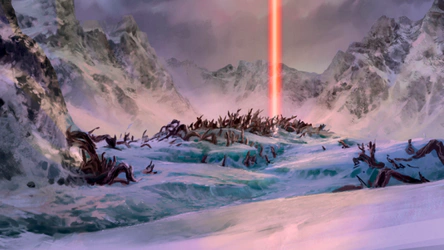
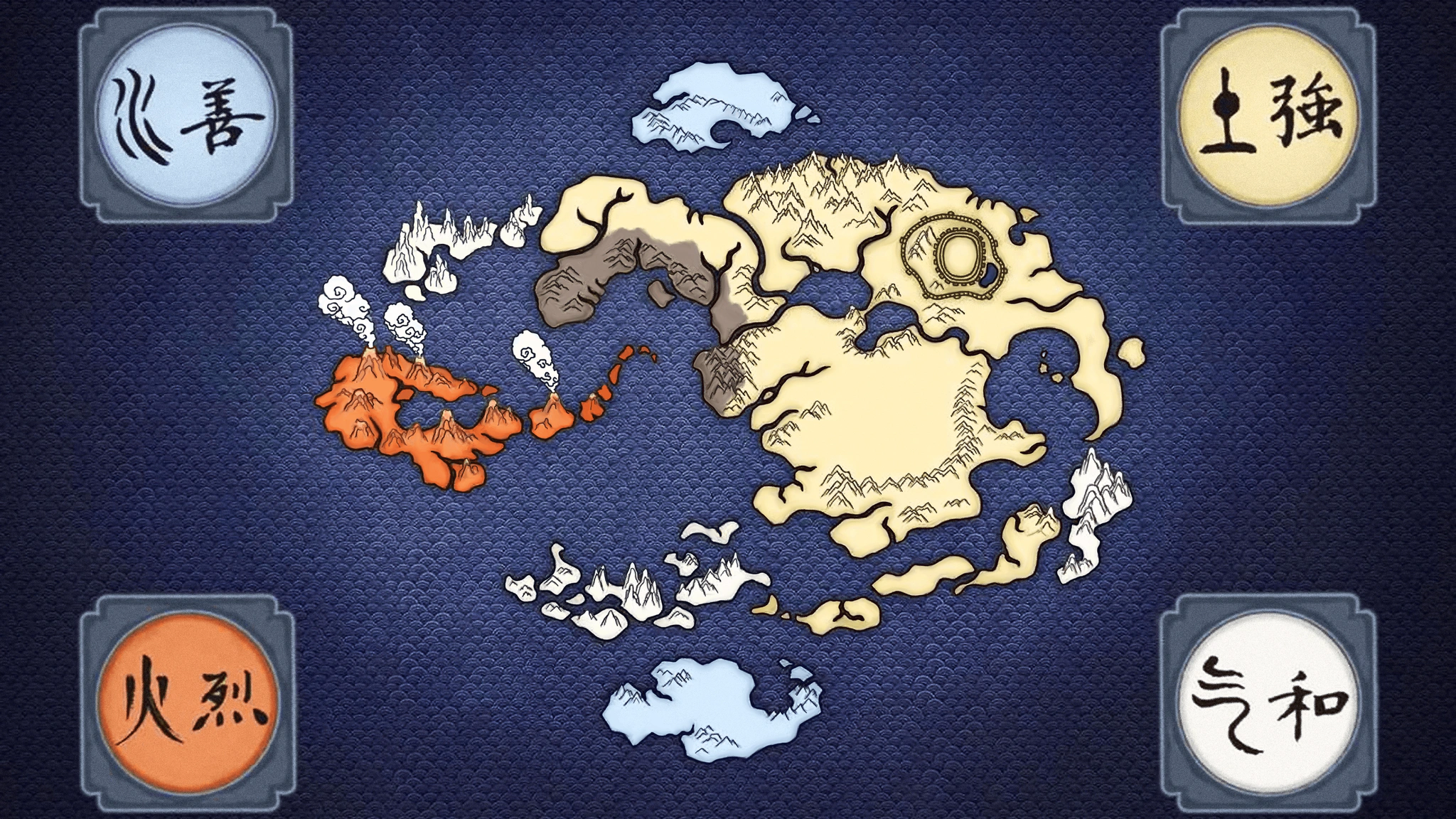
The North Pole continent, often just called the North Pole, is the Earth's northernmost landmass, surrounded by the Northern Sea. It is largely covered by tundras, polar deserts, arctic sea and lake ice, and dangerous mountain ranges. Deep in the region's interior lies the geographic North Pole and its spirit portal.

The North Pole continent is marked by its cold climate, and large sections are perpetually covered in snow. Yet its southern areas are subject to great seasonal changes, as lakes, rivers, and the ground unfreeze in spring and summer. As a result, entire forests and shrublands emerge from the snow in warm months, while sea ice breaks and opens up. The continent is home to well-adapted wildlife as well as the Northern Water Tribe, including its many sub-tribes.
History
In the early era of Yangchen, the North Pole's Long Stretch region saw a substantial decline in animal numbers. Hunts soured in the area, resulting in many locals migrating to Bin-Er in the Earth Kingdom.
In the 60s BG, the rural areas of the North Pole were affected by a mysterious illness which seemed to drive animals into a crazed, murderous state. This led to numerous deaths among Northern hunters. In 63 BG, Avatar Roku and his companions Gyatso and Makittuq traveled across the southwestern North Pole continent, seeking to investigate this affliction. In the Spirit's Claws mountain range, they discovered that the alleged illness had been created by Atka, a terrorist poisoner. Roku's team almost died in the wilderness due to Atka's machinations, and also had to survive amid a great blizzard. The group subsequently split up, as Makittuq brought Gyatso to Kuruk's Point for medical treatment, while Roku traveled alone through the tundra to save Agna Qel'a from Atka's plans.
In the mid-50s BG, an outpost in the North Pole was besieged by dark spirits. Renegade warrior Kapena wanted to be the one to free the outpost and she sought help to be able to do it ahead of the warriors officially sent from the North and prove that women were just as capable of being warriors as men.

In the early Hundred Year War, the Fire Nation military landed on the North Pole continent in an attempt to defeat the Northern Water Tribe. The operation was defeated. After abducting Aang from Agna Qel'a's Spirit Oasis during the Siege of the North in 100 AG, Zuko sought refuge in the tundras of the North Pole, where he was eventually found by a search party consisting of Katara, Sokka, Yue, and Appa. Following a short battle between Zuko and Katara, in which the latter swiftly defeated the firebender, the group left the tundra to aid in defending the Northern Water Tribe from Zhao and his forces.
In the 140s AG, Yakone frequently brought Noatak and Tarrlok deep into the arctic tundra, under the guise that they were going on hunting expeditions. In reality, he revealed his true identity as a crime lord from Republic City and forced his children to learn the art of bloodbending by practicing on wild fauna, including yaks and wolves.
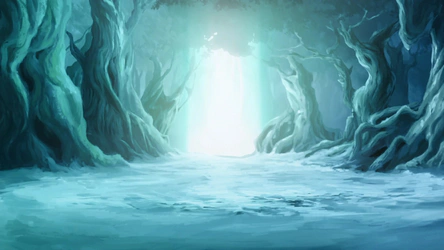
Following the barbarian invasion of Agna Qel'a in 151 AG, a small fighting force consisting of warriors and waterbenders led by General Tonraq launched a counterattack against the barbarians, overwhelming the invasion force and subsequently forcing them to retreat into the harsh tundras of the North Pole. The marauders fled into the North Pole's spirit forest which was subsequently destroyed by Tonraq's troops. This event caused several angry spirits to turn dark, causing chaos until Unalaq pacified them.
Climate
A massive stretch of arctic tundra covers most of the North Pole. The inland tundra is mostly mountainous and inhabited by diverse fauna.

In contrast, the coastal arctic plains are highly treacherous. Only skilled arctic hunters travel on the open plains, but only stay for short periods of time. Heavy winter blizzards constantly pelt these areas, and unstable ice sheets often give way under the slightest pressure. Even experienced waterbenders and warriors think twice before venturing into this environment. In general, winter storms and blizzard are very dangerous and can last for days.
Settlement patterns
Historically, most of the tribal groups of the North Pole were nomadic hunters, following the migration patterns of their prey. After the unification of the Northern Water Tribe, people began to permanently settle at Agna Qel'a. Regardless, the urban population initially remained a small minority. As the Northern Water Tribe began to develop an export economy, however, more settlements emerged. Some of these new agglomeration such as Kuruk's Point were founded as trading outposts before developing into towns. The migration from the countryside to the towns accelerated during the eras of Kyoshi and Roku, with most rural nomads gradually settling down.
The Hundred Year War further intensified the Northern Water Tribe's urbanism, as rural people sought safety at Agna Qel'a. The capital's population further grew after 100 AG, though rural settlements such as Yakone's village continued to persist in the tundra.
Flora
• Trees
• Shrubs
Fauna
Caribou bear
Wolf
Yak
Sources
Adapted from the original article, under CC BY-SA 3.0.