Place
Agna Qel'a
Agna Qel'a is the capital city of the Northern Water Tribe, and the traditional…
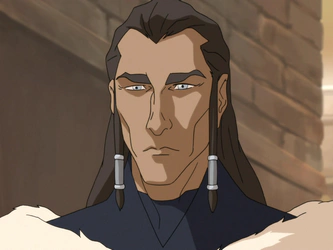
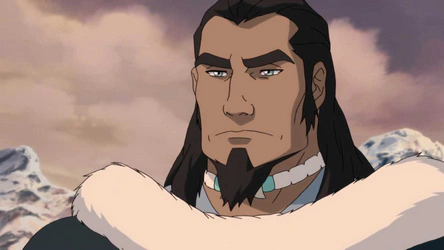
Agna Qel'a is the capital city of the Northern Water Tribe, and the traditional seat of the chiefs of the Water Tribes. Located at the shores of the Northern Sea, the city has traditionally served as a major economic hub. It is the birthplace of many prominent Northern people, including Atuat, Arnook, Yue, Unalaq, and Tonraq.
History
The history of the city of Agna Qel'a spans a long time, being founded after the North Pole's independent tribes resolved to unify. The city was built as a symbol of the unification, and to facilitate the intra-tribal relations. This project ultimately failed to solve all issues of the Water Tribe people, and one group left the north for the South Pole. However, the spirit of Agna Qel'a's foundation was maintained, and the city remained an open port city welcoming to all visitors for much of its history. Initially, Agna Qel'a's importance was largely restricted to its position as a political meeting place and the location of religious pilgrimages. Over time, hunters also began to exchange their goods with local and foreign traders at the settlement, though the city's economic status remained limited during its early history.
By the era of Yangchen, Agna Qel'a had grown into a prosperous and large settlement, its ice-crafted architecture a marvel to behold. Agna Qel'a entered a rare period of isolationism following the Platinum Affair, after the Water Tribes entered a state of isolation after the Earth Kingdom declared its own ports closed. Instead, international trade was restricted to four shang cities. Yangchen repeatedly visited the city during her early Avatar career, mostly concerning diplomatic and spiritual missions. The capital would maintain and grow its status over the following centuries.
In the late 4th century BG, Agna Qel'a celebrated the official revelation that Kuruk, a Northerner, was the new Avatar with a grand feast. Years later, when Kuruk wanted to marry Ummi at the Spirit Oasis, Koh the Face Stealer lured her into the Spirit World to punish Kuruk for neglecting his Avatar duties. In 296 BG, the famous firebending instructor and Fire Nation ex-official Hei-Ran was brought to Agna Qel'a for medical treatment. She spent the next year in the city, nursed back to health by the healer Atuat. By this time, the city had become a major economic hub.
In the 1st century BG, the city benefited from the growth of international trade and technological exchange, and came to house several powerful companies. Many people of the North's traditionally nomadic, rural sub-tribes migrated to Agna Qel'a during this period, seeking a more prosperous life. The population of the city exploded, as slums emerged at the outskirts and the city's elites grew ever more wealthy. This development was bolstered by the policies of Chief Tiguaa and his father before him, who greatly favored Agna Qel'a over the rest of the Northern Water Tribe, as they believed that their people's future was linked to trade and urbanism. However, this increase in trade also led to a rise in diseases, including the Northern Pox. Many people came to Agna Qel'a seeking treatment for the illness, with at times dozens asking for the cure in a single day. Chief Tiguaa agreed to supply the cure only if people were able to cover the cost, forcing many Earth Kingdom villages to go without treatment.
All of these new developments agitated the spirits of the North Pole, which occasionally threatened Agna Qel'a. A much greater crisis took place in 63 BG, when the city experienced a terrorist mass poisoning during the Festival of First Light by Atka, who sought to punish Agna Qel'a's people for withholding medical aid to her village which had been wiped out by the Northern Pox. Though many people including Chief Tiguaa died, Agna Qel'a was saved by the intervention of Avatar Roku's team.
Agna Qel'a was walled off and isolated itself along with the rest of the Northern Tribe during the Hundred Year War as a means to keep the Fire Nation out. In 100 AG, the Fire Nation unsuccessfully besieged the city, causing great damage.
Following the Hundred Year War, Agna Qel'a experienced a period of substantial growth in size and population, although it also suffered from a major barbarian invasion in 151 AG. Soon after, dark spirits attacked and ravaged the city until they were stopped by Unalaq.
Layout and description
Located at the southern edge of the North Pole, Agna Qel'a is huge and multi-tiered, built into the icy landscape. Looming over the city are giant ice cliffs from which it was originally built. The city rests on the shores of the Northern Sea, and behind it is an enormous frozen tundra. Despite its size, the capital is built almost completely using ice. By the era of Yangchen, builders traditionally crafted city blocks like individual artworks, often adorning the buildings with ice carvings which honored the inhabitants' family histories, elders, and legends.

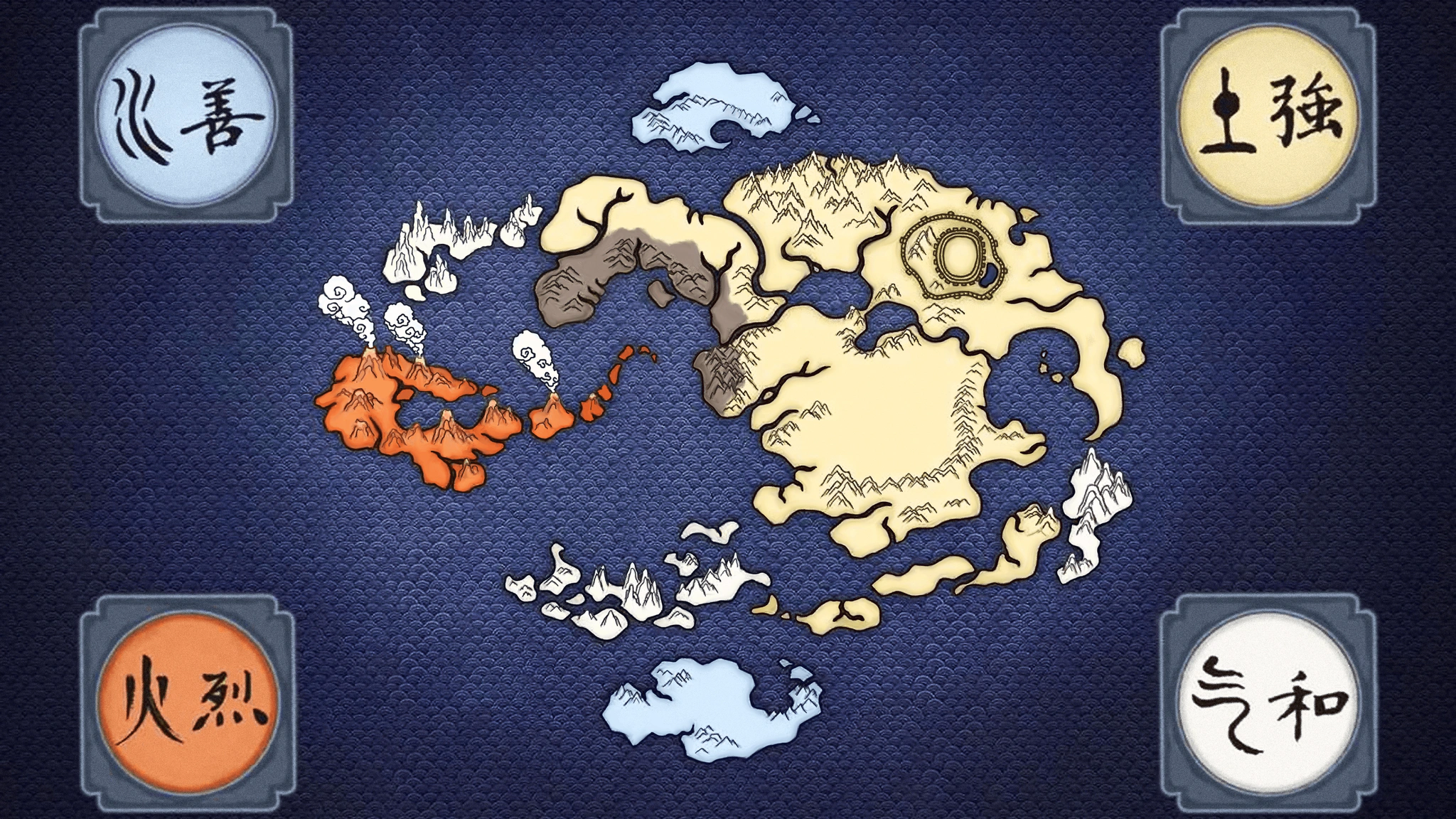
Unlike the obliterated Air Nomads and their southern sister tribe, the Northern Water Tribe survived a century of war with the Fire Nation, primarily because they were congregated in larger areas instead of being spread out too thin. Resting on the shores of the Northern Sea, Agna Qel'a is protected by high walls of ice and an ice gate as well as canal lock system passable only by the use of waterbending. As the capital of the Northern Water Tribe, Agna Qel'a hosts the chiefs' royal palace and much of the tribe's population, including its most skilled healers. The city also contains the Spirit Oasis which houses Tui and La, the Moon and Ocean Spirits.

Canoes steered by waterbenders are used to navigate the city's expansive system of canals. These interconnecting waterways play a crucial part in the tribe's defenses. Water-locking chambers act as the only entrances into the main city; boats travel through the gates, and, once the boats are in, waterbenders raise the water levels, lifting the boats until the vessel finally reaches the waterways of the Northern Water Tribe. This special entrance ensures that no unwanted ships can make it into the city. Because of these special security features and the city's location, the Northern Water Tribe was able to fend off numerous Fire Nation attacks. After the Hundred Year War and the city's expansion into the surrounding ice cliffs, the canal network was also expanded to support the new suburbs.
Armory
Located on the warrior training grounds, the Water Tribe armory was where Water Tribe weapons were stored and kept in pristine condition during the Hundred Year War. The armory doubled as a war planning room where orders were given to the warriors. Some Fire Nation uniforms, which were captured during the Great War's early phase, were also kept there.
Healing huts
The healing huts are small classroom-like structures, housing mannequins with human chi paths carved into them that were used during healing lessons.
Northern Water Tribe Royal Palace
The Northern Water Tribe Royal Palace is a large structure built on top the highest tier of Agna Qel'a and is one of the most recognizable landmarks. It can be seen from most anywhere in the city and stands like a monument, representing strength and power. In here, the chief and his advisers sit and make decisions regarding the tribe.

The palace's design mimics that of a multi-tiered pyramid. Leading up to the front entrance is a large staircase that is bordered on either side by totem poles depicting animalistic spirits. A pool of water and a number of artificially designed waterfalls surround the building, giving it a unique ambiance; the liquid for this system is supplied by various pipelines that pour water into the pool from directly below the temple. During special events after nightfall, the interior of the temple is lit up, so that light shines through the front entrance and the central windows up to the top floor of the structure. When Team Avatar arrived at the Northern Water Tribe, a celebration was held in front of the palace.
The interior of the building is intricately designed, featuring a decorative arch with four pillars, two cauldron-shaped ice sculptures, carvings of Water Tribe symbols, a rug adorned with the insignia of the nation, and an artificial waterfall behind the arch.
Sources
Adapted from the original article, under CC BY-SA 3.0.